Check suitability before choosing a color
Asphalt shingles are used on sloping roofs, but the actual slope and manufacturer’s instructions determine whether a particular product is appropriate and what underlayment is required. A home may have a main pitched roof and a lower-slope porch or addition that needs a different roof system.
Ask the estimator to identify those changes on the proposal. The transition between roof systems deserves its own detail. Replacing every area with the same visible material can be the wrong approach if the roof geometry differs. Confirm that the chosen product and installation method fit each part of the house.
Evaluate the complete assembly
The visible shingles shed most rain, while underlayment provides another layer of protection beneath them. Starter courses, roof edges, valleys, ridge caps, and penetration flashings work together with the field shingles. Ask how each of these elements is handled and whether damaged decking will be replaced before covering it.
Fastener placement and product-specific installation instructions matter. A brand name on the proposal does not describe workmanship by itself. Request the product name and a clear explanation of the installation scope, including how roof-to-wall metal and pipe flashings will be treated. Keep the material records with the warranty documents.
Balance appearance with long-term care
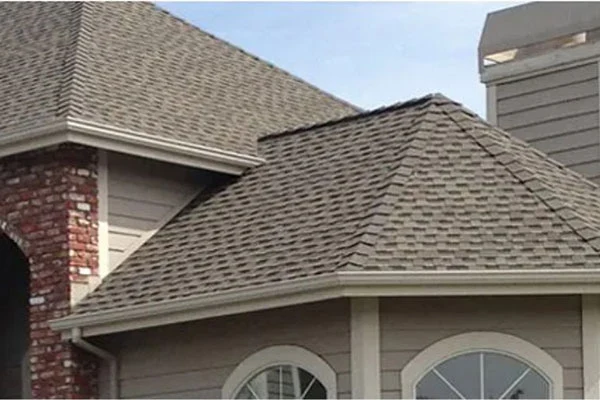
View samples outdoors against the siding, trim, and nearby roof colors. A small swatch may read differently across a large roof plane. Dimensional profiles can add texture, but shade, orientation, and surrounding trees influence how the finished roof looks at different times of day.
Plan for ongoing attention to debris collection areas and drainage. Shaded sections and overhanging vegetation may need a different maintenance conversation from sunny, open slopes. Use product-approved care methods rather than aggressive cleaning. Ask how the roof can be inspected later without damaging the covering, and who to contact if a shingle becomes displaced.