Let the building narrow the choices
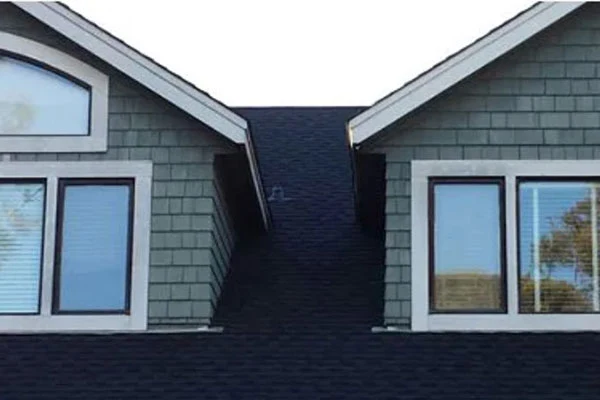
Start with the roof geometry. A steep main roof and a low-slope addition may need different systems. Ask the roofer to identify slope changes, transitions, and drainage routes before recommending a covering. The product must be suitable for the area where it will be installed.
Weight also matters when changing roof types. Do not assume an existing structure can accept a heavier material without review. Discuss whether structural evaluation is needed. Roof height, access, chimneys, skylights, and intersecting rooflines also affect installation complexity and the details that must be included in the estimate.
Compare categories without oversimplifying
Asphalt shingles offer a range of profiles and colors for suitable sloping roofs. Metal systems have their own panel, attachment, movement, and flashing requirements. Tile can create a distinctive appearance, but the supporting assembly and underlayment deserve as much attention as the visible pieces.
Low-slope membranes are a separate category designed around seams, transitions, and drainage. Ask which systems the contractor offers and why each fits your building. No material eliminates the need for careful installation. Product-specific instructions, compatible accessories, and maintainable details matter across all categories.
Think about ownership, not just installation day
Ask how the roof will be inspected and repaired later, whether matching components are readily available, and how future solar or skylight work would be handled. A roof that looks appealing in a sample should also support your plans for the home and your approach to maintenance.
Request comparable estimates with the same removal and deck-repair assumptions. Review physical samples outdoors and consider how the color works with the siding and landscape. Ask about written warranty terms without treating them as a prediction of service life. Condition, exposure, installation, and ongoing care all influence performance.