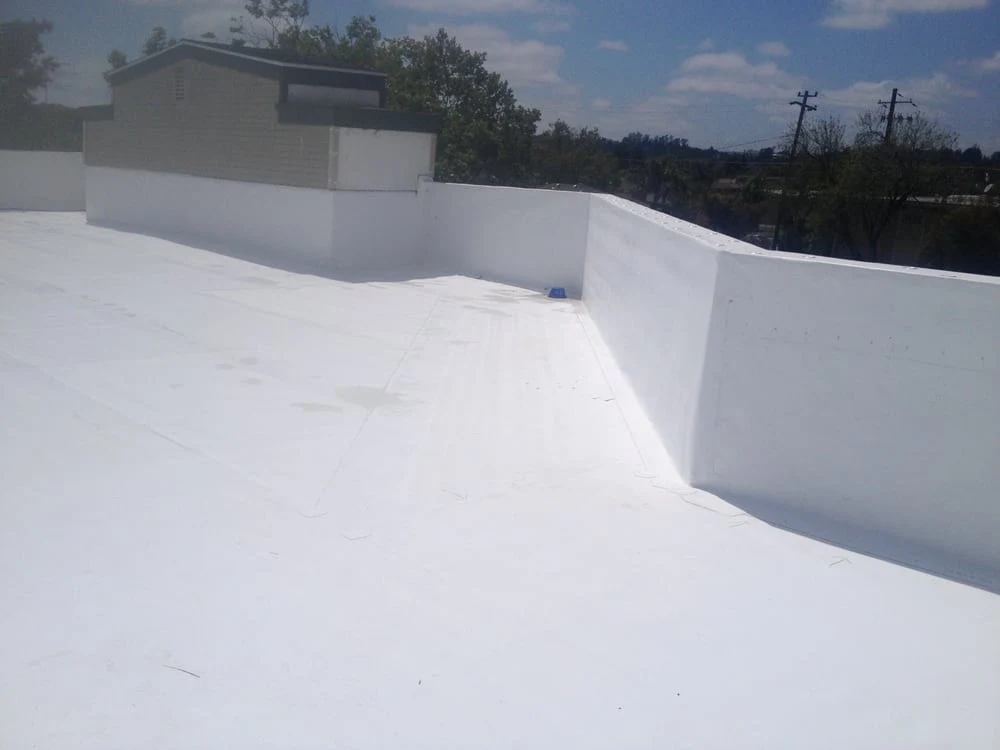
Understand what a cool roof changes
The roof surface interacts directly with sunlight. A more reflective surface can reduce solar heat absorbed by the roof, but the effect on rooms below depends on the rest of the building. Shade, insulation, attic configuration, and how the home is cooled all influence the result.
Marin homes do not all share the same conditions. A shaded property and an exposed, sunny roof may have different priorities. Start with the comfort problem you want to solve. An upstairs room that overheats may need a broader assessment rather than a roof-product change alone.
Compare product information, not color labels
A light appearance does not tell you everything about a roof product’s performance. Ask for the actual product data and available ratings, and confirm that the material is appropriate for the slope and assembly. The choice still needs sound flashing, drainage, and installation details.
Discuss applicable project requirements with the contractor and relevant building authority rather than assuming one cool-roof rule applies to every property. If a coating is suggested for an existing roof, ask whether the substrate is suitable and what preparation and repairs are needed before application. A reflective surface is not a substitute for correcting leaks.
Weigh comfort with the replacement decision
The Department of Energy notes that cool roofs can reduce cooling needs in suitable conditions, but reduced winter heat gain can be a tradeoff. Avoid relying on a universal savings percentage. Ask for assumptions tied to your building if an estimate of energy benefit is offered.
When replacement is already needed, comparing suitable reflective options can be part of the material selection process. If the existing roof is sound, first understand the likely benefit and the full scope of any proposed change. Keep product information with the roof records and follow the specified maintenance guidance.