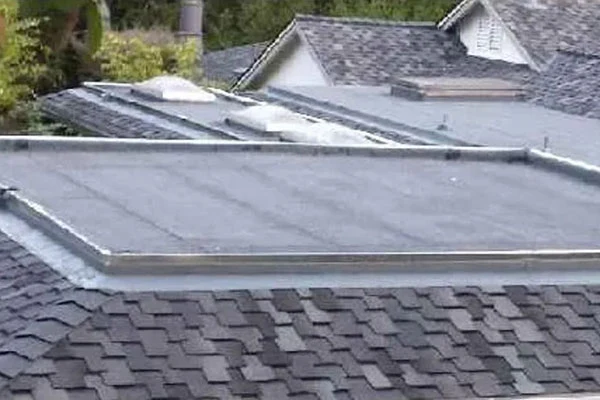
Start with roof condition and project timing
Tell the roofer that solar is planned and share the proposed panel area if available. Ask whether existing wear, past leaks, or underlying conditions should be addressed before the roof becomes less accessible. Roof age is useful context, but a condition assessment is more informative than age alone.
If the roof already needs replacement, coordinate schedules before ordering or installing the solar system. If it remains serviceable, ask what maintenance or localized repairs make sense first. Avoid treating solar plans as an automatic reason to replace a sound roof; base the decision on the actual findings and your ownership plans.
Coordinate attachments and roof details
Solar installation can introduce attachments and roof penetrations that must suit the roof material and assembly. Ask the solar installer how mounting details will be flashed and how the work will coordinate with roofing requirements. Clarify who is responsible for each penetration and its surrounding roofing.
Roof valleys, drains, vents, skylights, and service paths also need consideration during layout. Keep the conversation focused on preserving water movement and future access. The solar designer should address applicable structural, electrical, and access requirements; the roofing contractor should explain how the roofing details are protected.
Keep responsibilities clear after installation
Ask how a future leak near the array will be investigated and which contractor should be contacted first. Review how roofing and solar warranty terms interact with work by another trade. Document what each contractor is providing rather than relying on a general assurance that everything is covered.
Save roof photos from before the panels go on, the roof product details, and the installer’s handover documents. If panels ever need removal for roof work, arrange it with an appropriately qualified solar provider. Good records and clear responsibilities make later maintenance easier to plan.