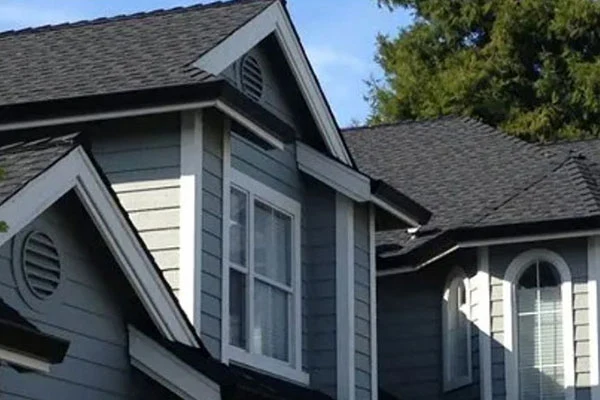
Look beyond the field of shingles
The broad roof surface is only one part of an inspection. Valleys, roof-to-wall intersections, chimneys, plumbing vents, skylights, and roof edges are transition points that deserve attention. A covering may appear reasonably intact while one of these details allows water to enter.
Explain whether the concern appeared after wind, during prolonged rain, or without a recent storm. An inspection should consider the pattern rather than simply the most visible blemish. On homes with additions, ask the roofer to examine the junction between older and newer roof sections, especially where slopes or materials change.
Separate observations from conclusions
Ask for photographs that identify where an issue is located and what the inspector can actually see. Curling material, displaced roofing, deteriorated seals, rusted metal, or debris at a drainage point may justify further investigation, but a surface inspection cannot reveal every concealed condition.
Interior observations can add context. A ceiling stain or accessible attic discoloration may help trace a problem, although neither establishes the source by itself. Ask which areas could not be accessed and whether any recommendation depends on opening a detail. A useful report states those limits instead of presenting unknown conditions as confirmed facts.
Turn findings into a practical order of work
Separate active water-entry concerns from maintenance items and longer-term planning. Ask which repairs are intended to stop a specific leak, which restore a worn detail, and which simply improve appearance. This gives you a way to discuss urgency without assuming every issue requires replacement.
If replacement is recommended, ask what makes localized repair less suitable: widespread deterioration, repeated failures, or damaged underlying materials. If repair is proposed, ask what it will address and what wear will remain. Keep the photos and written findings as a baseline for future inspections and maintenance conversations.